

A simple starting point for couples who want shared toys that feel fun, relaxed, and easy to use together.
Best Sex Toys For Couples
Sex toys for couples are not only for relationships that have gone flat. A lot of couples use them because they are curious, playful, or just tired of doing the same thing every time the bedroom door closes.
The right toy can make foreplay easier, help both partners feel more involved, and take pressure off one person having to do all the work. It can also make it easier to say what feels good without turning the whole thing into a serious sit-down chat with imaginary clipboards.
Quick note: Buying a couples toy does not mean something is wrong with your sex life. It usually means you want more variety, more shared pleasure, or a new reason to slow down and pay attention to each other.
Here, you will find the main types of sex toys for couples, how to choose one that suits both partners, and simple tips for using toys together without making the moment feel awkward.
Why Couples Use Sex Toys Together
Couples usually bring toys into the bedroom for simple reasons. They want more variety, more touch, more teasing, or a new way to enjoy each other without repeating the exact same routine every time.
Shared toys can also make pleasure feel more balanced. One partner might need more stimulation, more time, or a different kind of touch to climax. A couples toy can help with that without making anyone feel like they are not doing enough.
They can also make communication easier. Asking “does this feel good?” while using a toy often feels more natural than trying to start a big serious talk about sex from scratch. Sometimes a small toy does what a long awkward conversation could not.
Couples toys are not magic fixes for deeper relationship problems, but they can be a great way to bring back play, curiosity, and shared attention when sex has started feeling too predictable.
Best Types Of Sex Toys For Couples
The best sex toys for couples are easy to use, comfortable for both partners, and simple enough that they do not kill the mood while you work out what goes where. Some are made for sex, some are better for foreplay, and some are mainly there to make things feel less routine.
Couples Vibrators
Couples vibrators are made for shared stimulation during foreplay or sex. Some sit between both partners, while others are used by one partner on the other for clitoral, vulva, or body stimulation.
Best for: couples who want extra stimulation without making the toy feel too complicated.
Vibrating Cock Rings
Vibrating cock rings are one of the easiest couples toys to start with. They sit around the base of the penis and can help maintain firmness while adding vibration during sex.
Best for: beginners who want a simple shared toy with very little setup.
Remote-Controlled Toys
Remote-controlled toys let one partner control the speed, pattern, or intensity while the other enjoys the sensation. Some are made for in-person teasing, while app-controlled toys can also suit long-distance couples.
Best for: couples who enjoy teasing, anticipation, or playful control.
Massage Wands
Massage wands are powerful toys that work well for partner-led foreplay. They can be used over underwear, against the body, or with lube for stronger direct stimulation.
Best for: couples who want something simple, strong, and easy to share.
Strap-Ons And Harnesses
Strap-ons and harnesses can be used for pegging, same-sex play, role reversal, or couples who want to try a different type of penetration. Comfort and size matter a lot, especially for beginners.
Best for: couples who want to explore penetration in a more active, shared way.
If you are unsure what size to start with, read our page on choosing your first dildo size before buying. Starting smaller is usually the smarter move.
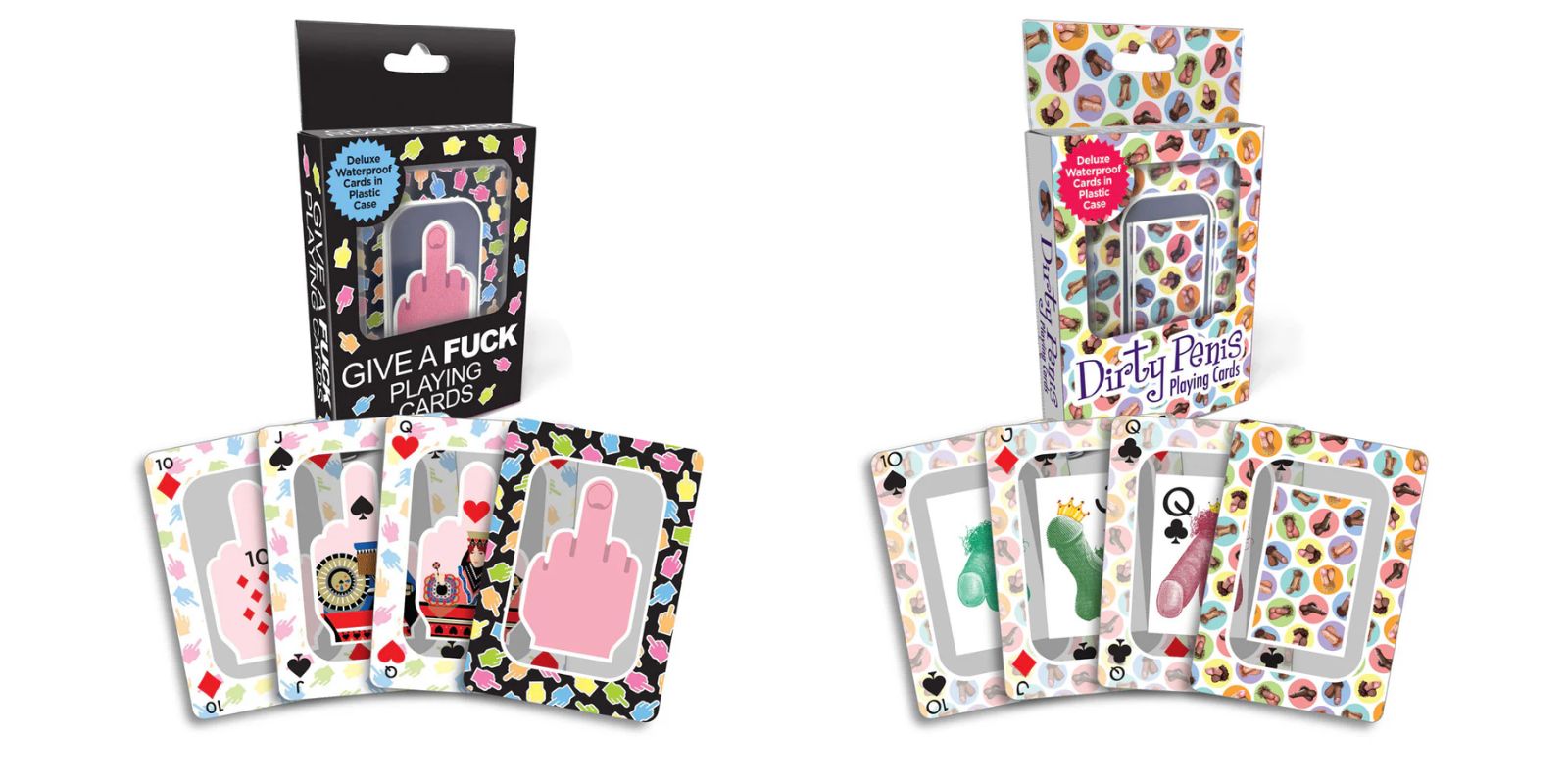
Couples Games And Card Decks
Couples games, dice, and card decks are useful when both partners want new ideas but do not want the awkward pressure of inventing everything on the spot.
Best for: couples who want flirting, teasing, and light bedroom prompts without making it feel too serious.
How To Choose The Right Couples Toy
Choosing a couples toy is easier when you start with the mood you want, not the most dramatic product on the page. A good first toy should feel comfortable, easy to use, and simple enough that neither person needs to pause the moment to read a tiny instruction leaflet like it is tax paperwork.
Before buying, ask one simple question: do you want the toy for foreplay, sex, teasing, massage, or trying something completely new together?
- For beginners: start with a vibrating cock ring, small couples vibrator, massage wand, or card game. These are easier to use and less intimidating.
- For shared stimulation: look for toys designed to touch both partners during sex or foreplay, such as wearable couples vibrators or vibrating rings.
- For teasing: remote-controlled toys, blindfolds, and prompt cards can work well because they build anticipation without needing a huge setup.
- For comfort: choose body-safe materials such as silicone, ABS plastic, glass, or stainless steel. Avoid sticky, strong-smelling, or mystery-material toys.
- For easier cleaning: waterproof toys are usually the safer pick. Water-resistant does not always mean shower-safe, so check the product details before getting too confident.
- For privacy: check noise level, charging style, and storage. A loud toy with a flashing charger cable is not always ideal in a shared house.
The best choice is the toy both people feel good about trying. If one partner is excited and the other is quietly preparing an escape plan, start smaller.
How To Use Sex Toys Together Without Making It Awkward
Using a toy together works best when both partners know it is coming. You do not need a serious meeting about it, but a quick chat before sex helps avoid that awkward moment where one person is excited and the other is trying to work out what just appeared on the bed.
Start with the lowest setting, use lube when needed, and treat the first try as a test run. Some couples love a toy straight away, while others need a few tries before it feels natural. Both are normal.
After using the toy, clean it properly, let it dry, and store it somewhere clean. It is a small habit, but it keeps the toy ready for next time instead of turning into the weird dusty thing in the drawer.
Couples Sex Games To Try With Toys
Couples sex games can make toys feel easier to use because the game gives you a reason to start. Instead of both people lying there trying to invent something clever on the spot, you have a simple idea to follow.
Keep the first game simple. Choose one toy, set one rule, and make sure both partners are comfortable before anything starts. You do not need costumes, scripts, or a full theatre degree to make things feel more playful.
| Game Idea | How It Works | Best Toy Match |
|---|---|---|
| Mystery Toy Night | One partner chooses a toy and reveals it when you are both ready to play. | Wand, vibrating ring, or couples vibrator |
| Remote-Control Teasing | One partner controls the settings while the other enjoys the build-up. | Remote or app-controlled toy |
| Card Prompt Play | Use cards or dice to choose actions, touch, positions, or toy ideas. | Prompt cards, dice, small vibrator |
| Yes, No, Maybe | Both partners list what they want to try, what they might try, and what is off the table. | Any toy you both agree on |
Sex Toys For Couples FAQs
Are sex toys for couples only for people with relationship problems?
No. Many happy couples use sex toys because they want more variety, more shared pleasure, or a fun way to try something new together. A toy does not mean the relationship is failing. It usually means both people are open to making sex feel more playful.
What are the best sex toys for couples to start with?
Good first options include vibrating cock rings, couples vibrators, massage wands, remote-controlled toys, and simple bedroom card games. These are easy to use, do not need much setup, and can work well for beginners.
Can couples use sex toys during long-distance relationships?
Yes. App-controlled toys can help long-distance couples stay connected because one partner can control the toy from another location. They are also useful for teasing, video calls, or private play when both partners agree on the rules first.
How do couples choose the right sex toy together?
Start by talking about what you both want from the toy. Some couples want more clitoral stimulation, some want teasing, some want massage, and others want to try penetration in a different way. Choose the toy that fits the kind of play you both feel comfortable trying.
Are sex toys for couples safe to use regularly?
Yes, quality sex toys are generally safe for regular use when they are made from body-safe materials, cleaned properly, and used as directed. Use lube when needed, avoid anything that causes pain, and check the care instructions before using a toy in water or with silicone-based lube.