

📅 Posted: June 04, 2026
🔄 Updated: June 04, 2026
⏱️ Reading Time: 5.00 Min Read
How Female Orgasms Work In The Body And Brain
Female orgasms can feel powerful, subtle, emotional, physical, or completely different from one experience to the next. That variety can confuse people, especially when they expect every orgasm to follow the same pattern.
The truth is simple but often missed. How female orgasms work depends on more than one body part. The nerves, brain, pelvic muscles, blood flow, mood, comfort, trust, and stimulation rhythm all play a role in how pleasure builds and releases.
Table Of Contents For How Female Orgasms Work
The Moment Pleasure Starts Becoming Something More
An orgasm for women generally takes place way ahead of its climaxing phase. This involves the increase in blood supply in parts like the clitoris, the vagina, and the pelvic region. The nerve endings are stimulated as well as the muscle tissues to create an arousal of the body.
The clitoris plays a huge part due to its high number of nerve ending connections. While some enjoy touching their clitoris during sexual intercourse, others prefer indirect contact through pressure around the area, rather than direct contact. This includes penetration as well, as it can bring about pressure or other kinds of pleasure.
This is the reason why speed might be counterproductive. The body might require some time to get warmed up before stimulation can actually lead to pleasure in the process. Activities such as slow kissing, teasing, oral sex, the use of fingers and toys, and grinding could all assist with this goal.
Some women also experience orgasm through blended stimulation. That means more than one pleasure point gets involved at once. Readers interested in this kind of body response may also find helpful context in how squirting can happen during sex, since arousal, pelvic pressure, and relaxation often overlap.
Why The Brain Often Leads The Body
The body can receive stimulation, but the brain plays a major role in how female orgasms work. A woman may enjoy the same touch one day and feel less responsive the next because mood, stress levels, and emotional state can change how the body reacts to pleasure.
Stress, self-consciousness, body image concerns, pain, distractions, and pressure to orgasm can all interrupt arousal. Many women experience moments where they feel close to climax, only for the sensation to fade. In most cases, this happens because the mind shifts away from pleasure and starts focusing on worries, expectations, or distractions.
Relationship dynamics can also influence sexual response. Patience, trust, communication, and emotional comfort often make it easier for pleasure to build naturally. Couples who want to create a more relaxed and connected experience may benefit from sensate focus exercises for couples, which encourage calm touch and reduce performance pressure during intimacy.
The Hidden Factors Behind Stronger And Weaker Orgasms
The way female orgasms occur may be different for each one since the reaction of the body is influenced by many factors. Poor sleep, high stress levels, hormones, medications, and even emotional attachment may influence the intensity of orgasm. Some may be quick and intense, while others may be more relaxed and cover the whole body.
Arousal usually builds best when stimulation stays consistent and comfortable. Frequently changing speed, pressure, or technique can interrupt the build-up of pleasure. Research into the science of female orgasms shows that nerve signals, brain activity, and pelvic muscle contractions work together during climax, which is why communication and paying attention to a partner’s responses often produce better experiences than relying on a fixed technique.
- Sleep quality and overall energy levels
- Hormonal changes throughout the menstrual cycle
- Stress, anxiety, and mental distractions
- Hydration and general physical well-being
- Emotional trust and relationship comfort
- Consistency of stimulation and rhythm
The Myths That Leave Many Women Frustrated
Many misconceptions create unnecessary pressure around female orgasms. Some people assume orgasm should happen quickly, look the same for everyone, or follow a predictable pattern every time. In reality, sexual response varies widely between women and can change from one experience to the next. Women who feel concerned about orgasm difficulties may find useful perspective in this article about difficulty in reaching orgasms, which highlights several common physical and emotional influences.
| Myth | Reality | Why It Matters |
|---|---|---|
| Every orgasm should feel identical | Intensity and sensation naturally vary | Reduces unnecessary worry about normal differences |
| Age automatically reduces pleasure | Many women report satisfying sex throughout adulthood | Encourages a healthier long-term outlook |
| Longer sex always creates better orgasms | Quality of arousal often matters more than duration | Shifts focus toward connection and comfort |
| Talking about pleasure ruins spontaneity | Communication often improves sexual experiences | Helps partners understand preferences more clearly |
| Sex toys replace intimacy | Many couples use them as supportive tools | Encourages a broader view of pleasure options |
What Changes After Women Learn Their Own Patterns
Many women gain more confidence once they stop chasing a “normal” orgasm and start noticing their own patterns. That includes the type of touch they like, the pace that works, the mood they need, and the moments where arousal usually drops.
Self-awareness can also improve partnered sex. A woman who knows her body can explain what feels good without waiting for a partner to guess. That might include asking for more pressure, less speed, more clitoral focus, a different position, longer foreplay, or a toy that supports consistent stimulation.
Toys can also be beneficial for some people due to their ability to provide rhythmic stimulation. These are not meant to replace connection; they are just tools that may increase ease of accessing pleasure, in particular when a female needs consistent contact with her clitoris.
A much larger difference lies in the emotional realm, since after orgasms stop being such an enigmatic experience, people no longer get anxious about reaching them. This allows the whole sexual act to become more fun, more honest, and more fulfilling.
A Tool That Can Support More Consistent Clitoral Stimulation
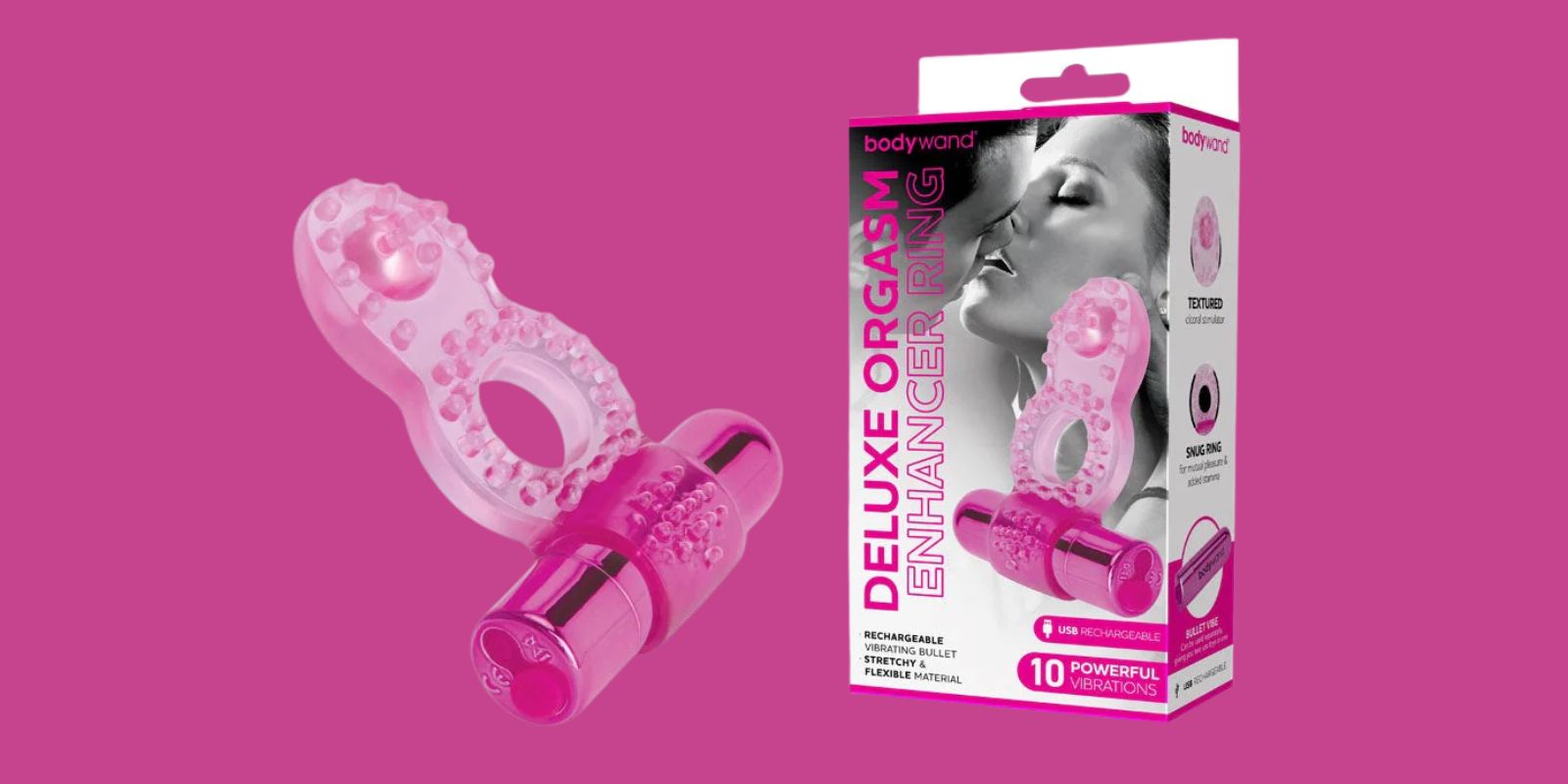
Since how female orgasms work often depends on consistent stimulation, some women find that orgasm enhancement rings can add extra sensation during partnered intimacy. The Bodywand Rechargeable Deluxe Orgasm Enhancement Ring is designed to provide targeted vibration and hands-free stimulation that may help maintain arousal while allowing couples to focus on connection, comfort, and pleasure together.
FAQs About How Female Orgasms Work
Why do I get close to orgasm and then lose the feeling?
This often happens when the body shifts from pleasure into tension, distraction, or pressure. Slowing down, keeping the same rhythm, and reducing the need to “finish” can help the sensation build again.
Why can I orgasm alone but struggle with a partner?
Solo pleasure often feels easier because there is less pressure and more control over rhythm, pressure, and fantasy. Partnered orgasm may need communication, trust, patience, and a pace that matches your body.
Does penetration create orgasms for most women?
Many women need clitoral stimulation along with or instead of penetration. Penetration can feel pleasurable, but external stimulation often plays the stronger role in reaching orgasm.
Why do orgasms feel different every time?
Orgasm intensity can change with mood, stress, hormones, arousal level, stimulation style, emotional connection, and physical comfort. Different sensations do not automatically signal a problem.
Can stress stop orgasm even when I feel aroused?
Stress can interrupt focus, increase muscle tension, and make the nervous system less responsive to pleasure. Relaxation, emotional safety, and slower stimulation often help the body respond more fully.