

📅 Posted: May 29, 2026
|
🔄 Updated: May 29, 2026
|
⏱️ Reading Time: 6.00 Min Read
Menopause can change desire, lubrication, sensitivity, and comfort during intimacy, but enjoyable sex is still absolutely possible. With better communication, lubrication, slower arousal, pelvic support, and the right intimacy tools, many women experience satisfying and deeply connected sex during menopause.
Understanding How To Enjoy Sex During Menopause
Menopause can change the way intimacy feels, both physically and emotionally. Many women notice vaginal dryness, lower libido, slower arousal, or increased sensitivity during sex as hormone levels shift. These changes can sometimes make intimacy feel uncomfortable or frustrating, especially when pleasure no longer feels as natural or predictable as it once did. However, these experiences are extremely common and do not mean satisfying sex has to end.
Learning how to enjoy sex during menopause often comes down to making small adjustments that improve comfort, arousal, and emotional connection. Taking more time for foreplay, using lubrication, exploring new forms of stimulation, and communicating openly with a partner can help intimacy feel pleasurable again. With patience, confidence, and the right support, many couples discover that sex during menopause can still feel deeply enjoyable, intimate, and emotionally fulfilling.
Table of Contents For How To Enjoy Sex During Menopause
Why Sex Feels Different During Menopause
Menopause changes the body’s sexual response because declining estrogen levels affect vaginal tissue, blood flow, and natural lubrication. Many women notice that penetration feels tighter, dryness appears more frequently, and arousal takes longer to build during sex. Some also experience changes in clitoral sensitivity or find that orgasms feel less intense than before. These physical shifts can make intimacy feel unfamiliar, especially for people who previously had little discomfort during sex.
Emotional reactions can also influence sexual experiences during menopause. Frustration, self-consciousness, or anxiety about pain may reduce desire even when attraction to a partner remains strong. Understanding these body changes early often helps couples adjust their sexual routine without panic or embarrassment. Some partners also experiment with couples intimacy toys to introduce different sensations and maintain sexual excitement while adapting to changing levels of arousal and sensitivity.
Focus on Arousal, Comfort, and Connection
During menopause, sexual arousal usually develops more gradually, which means the body may need extra stimulation before penetration feels pleasurable. Learning how to enjoy sex during menopause often involves slowing down intimacy and giving the body more time to respond naturally through sensual touch, oral sex, kissing, and full-body foreplay. Allowing arousal to build at a comfortable pace can help reduce tension while improving pleasure, comfort, and overall sexual satisfaction.
Mental relaxation also becomes more important for maintaining desire and sexual satisfaction. Stress, performance pressure, and fear of discomfort can interrupt arousal even when physical attraction is still present. Open conversations about pacing, boundaries, and pleasure preferences often create a more supportive sexual experience for both partners. Some women also explore ideas for improving intimacy with toys to add new forms of stimulation and make sexual experiences feel more engaging without placing pressure on orgasm alone.
Practical Tips to Enjoy Sex More During Menopause
Pleasurable sex during menopause often depends on understanding how the body responds differently during arousal and penetration. Learning how to enjoy sex during menopause becomes much easier when couples adjust pacing, comfort levels, and stimulation styles to match changing physical needs instead of expecting intimacy to feel exactly the same as earlier years. Simple habits that support relaxation, vaginal comfort, and emotional connection can make sex feel more natural and less stressful over time.
How To Enjoy Sex During Menopause:
- Choose positions that allow slower and more controlled penetration.
- Keep lubricant nearby so dryness does not interrupt intimacy.
- Use pillows or body support to reduce pelvic pressure during sex.
- Stay physically active to support circulation and sexual wellness.
- Take breaks during sex if the body starts feeling overly sensitive.
- Explore different types of touch instead of focusing only on penetration.
- Create a relaxed environment that reduces stress and distraction.
- Maintain regular intimacy to help the body stay sexually responsive.
- Try smaller or softer sex toys if penetration starts feeling uncomfortable.
- Use water-based lubricant with vibrators or dildos to improve comfort during stimulation.
- Experiment with external stimulation toys when deeper penetration feels too intense.
- Choose flexible silicone toys that feel gentler against sensitive areas.
Use Lubrication Generously for More Comfortable Sex
Lower estrogen levels during menopause often reduce the body’s ability to produce natural moisture during arousal. As a result, penetration may create friction, irritation, or a burning sensation that interrupts pleasure during sex. Adding lubricant helps the body stay comfortable by creating smoother movement and reducing unnecessary dryness during intimacy. Water-based lubricants are commonly chosen for their lightweight feel, while silicone-based options are often preferred for longer-lasting glide during extended sexual activity.
Using lubricant consistently can also help remove hesitation around penetration because the body feels less strained and sensitive during movement. Rather than treating lubrication as a sign of dysfunction, many couples see it as a normal part of maintaining enjoyable sex during menopause. Some people also explore comfortable menopause sex positions that place less pressure on sensitive vaginal tissue and allow penetration to feel gentler physically.
“I honestly thought my sex life was ending when menopause started making penetration feel dry and uncomfortable,” one woman shared while discussing her experience with intimacy after menopause. “My desire for sex never disappeared, but my body reacted differently than before.” She explained that adding lubricant, spending more time on foreplay, and focusing more on clitoral pleasure completely changed how sex felt for her. From my experience, couples often rebuild satisfying intimacy after menopause once they become more patient with arousal, comfort, and communication.
Support More Comfortable and Pleasurable Sex During Menopause
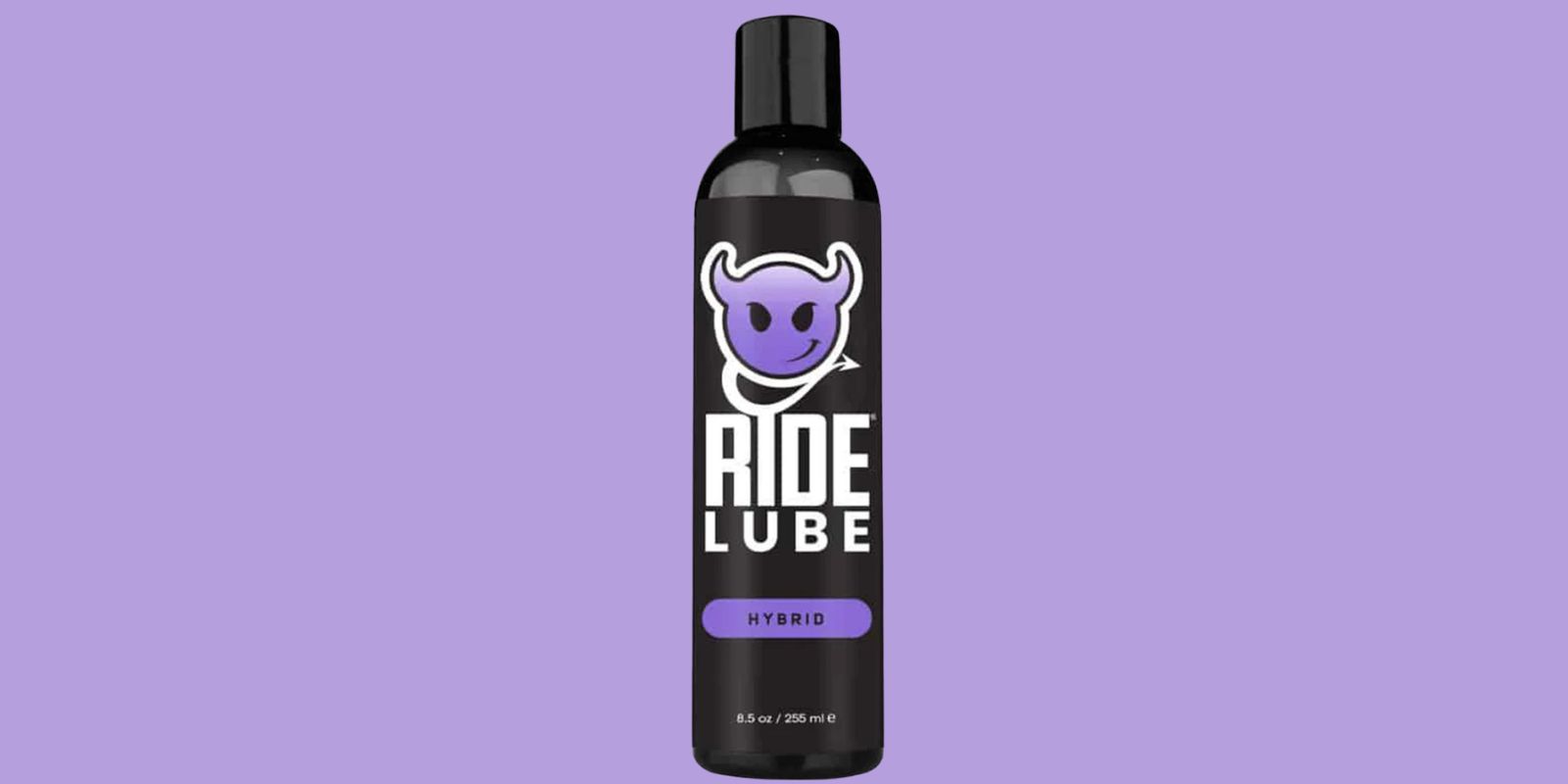
Using the right lubricant can make a major difference when menopause causes dryness, friction, or discomfort during sex. Products like the Sliquid Ride Silk Hybrid Lubricant 255 ml are often chosen to create smoother penetration, improve comfort, and help intimacy feel more relaxed and enjoyable. Adding extra lubrication during foreplay and penetration can also help reduce irritation while making arousal and orgasm feel more natural during menopause.
FAQs About How To Enjoy Sex During Menopause
Why does sex feel painful during menopause, even when I still feel turned on?
Menopause can reduce natural lubrication and make vaginal tissue more sensitive during penetration. Even when sexual desire is still present, the body may need more time to become physically aroused. Using lubricant and slowing down foreplay often helps reduce discomfort during sex.
What kind of lubricant works best for menopause dryness during sex?
Water based lubricants are commonly used because they feel light and gentle on sensitive skin. Silicone-based lubricants usually last longer and help reduce friction during longer intimacy sessions. Choosing the right texture often depends on comfort and personal preference.
Why do orgasms feel weaker or take longer during menopause?
Hormonal changes can affect blood flow and sensitivity around the clitoris and vaginal area, which may change how orgasms feel during sex. Stress, discomfort, or lower arousal can also make orgasm take longer. More direct stimulation and relaxed foreplay often improve pleasure.
How can I talk to my partner about menopause affecting our sex life?
Open and calm conversations usually make intimacy feel less stressful for both partners. Talking honestly about pain, dryness, or changing sexual needs helps create better understanding and emotional support. Many couples become more comfortable once they start discussing pleasure openly.
What should I do if penetration keeps feeling uncomfortable during menopause?
Longer foreplay, extra lubrication, and gentler penetration can often make sex feel more comfortable during menopause. Some women also prefer positions that reduce pressure on sensitive areas. If discomfort continues regularly, speaking with a healthcare professional may help identify the cause.